The Whistler (2026): Grief, Cults, and the Terrifying Echoes of the Beyond
- Category: Horror / Thriller
- Release Date: April 10, 2026 (Limited Release)
- Cast: Diane Guerrero, Juan Pablo Raba, Indhira Serrano, Laureano Olivarez
- Language: English
- Film Runtime: TBA (Expected 102 Minutes)
- Director: Diego Velasco
Introduction: Folk Horror Reimagined in The Whistler (2026)
As the spring of 2026 brings a new wave of genre cinema, few titles have generated as much atmospheric dread as The Whistler. Distributed by Vertical and directed by the visually inventive Diego Velasco, this film is a deep dive into the intersection of personal tragedy and supernatural terror. At fmovies.tr, we recognize that modern horror is shifting away from mere jump scares toward “elevated horror”—stories that use the supernatural to explore the broken pieces of the human psyche. The Whistler is a prime example of this evolution.
Filmed with a hauntingly beautiful aesthetic, the movie taps into the universal fear of what lies in the shadows of secluded rural landscapes. By blending elements of traditional folk legends with a modern psychological thriller framework, Velasco has crafted a film that feels both ancient and urgently contemporary. Whether you are a fan of slow-burn tension or visceral cult-themed horror, The Whistler is designed to linger in your mind long after the credits roll.
The Plot: A Fresh Start Turned Nightmare
Inheritance and Isolation
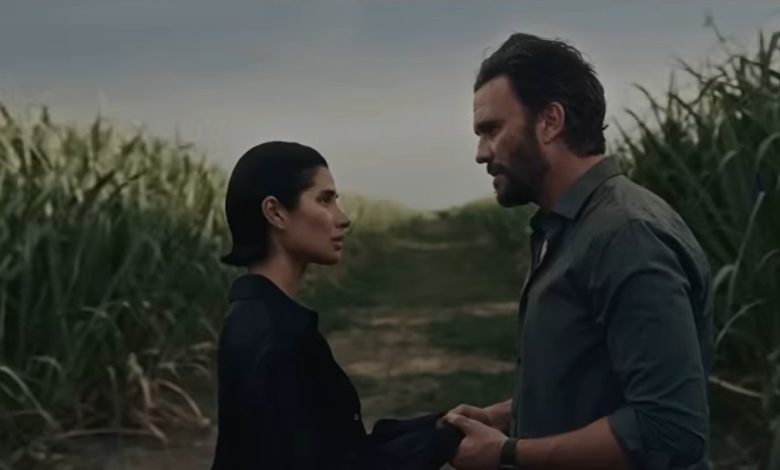
The story follows a couple, played by Diane Guerrero and Juan Pablo Raba, who are attempting to navigate the suffocating weight of grief following the tragic loss of their young daughter. Their lives are in a state of stasis until they unexpectedly inherit a secluded, sprawling farm in a remote region. Seeing this as a providential opportunity for a “fresh start” away from the painful reminders of the city, they relocate, hoping the quietude of the countryside will offer them a path to healing.
The Arrival of the Cult
However, the silence of the farm is soon shattered. They discover that their new home isn’t as empty as it seems. A mysterious, local cult begins to make their presence known, claiming that the land itself is a thin spot between our world and the spirit realm. The cult’s leader asserts that they possess the ritualistic power to “summon spirits from beyond”—including, potentially, their lost daughter. This creates a devastating emotional trap for the grieving parents, forcing them to choose between moving on or embracing a dark, supernatural promise.
Dark Forces and Inner Demons
As the rituals escalate, the “Whistler”—a malevolent entity rooted in folk legend—begins to haunt the periphery of their vision. The film brilliantly uses the entity as a metaphor for the couple’s inner demons. The couple must confront not only the very real, physical threat of the cult but also the manifestation of their own guilt and sorrow. The third act is a relentless descent into madness, where the boundaries between reality, memory, and the afterlife dissolve completely.
The Cast: Powerful Performances Driven by Trauma
The success of The Whistler relies heavily on its small but potent ensemble. The leads provide a masterclass in portraying the various stages of mourning.
Diane Guerrero: A Raw Portrait of Loss
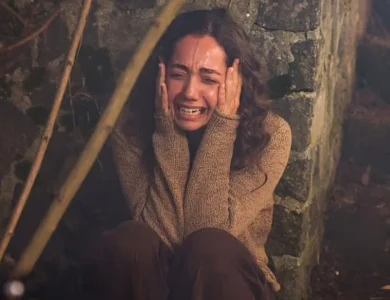
Diane Guerrero (known for Encanto and Orange Is the New Black) delivers what is arguably the most demanding performance of her career. She portrays a mother whose grief has made her dangerously susceptible to the cult’s influence. Her performance is raw, vulnerable, and at times, terrifying. She captures the desperation of a parent who would do anything—even commune with dark forces—to see her child one more time.
Juan Pablo Raba: The Grounded Skeptic
Juan Pablo Raba (The Marksman, Freelance) provides the perfect tonal counterpoint. His character is the skeptic, the one trying to hold the family together through logic and physical labor. The friction between Raba’s grounded realism and Guerrero’s spiritual desperation provides the film with its most compelling dramatic stakes. Watching his resolve crumble as the supernatural elements become undeniable is one of the film’s greatest strengths.
Supporting Talent: Serrano and Olivarez
The supporting cast, including Indhira Serrano and Laureano Olivarez, bring a chilling authenticity to the cult members. They avoid the “cackling villain” tropes, instead playing the characters with a quiet, terrifying conviction that makes their actions feel all the more dangerous.
Behind the Camera: Diego Velasco’s Directorial Vision
Director Diego Velasco, who previously showcased his talent with Victim 321 and the acclaimed Zero Hour, brings a unique cultural perspective to this horror film. Velasco understands that true horror is found in the atmosphere.
Visual Storytelling and Sound Design
In The Whistler, the cinematography uses a “claustrophobic-wide” style—showing the vastness of the farm while making the characters feel small and trapped. The lighting is naturalistic, utilizing shadows to suggest movement where there is none. However, the true star of the technical side is the sound design. The “whistle” of the entity is designed to be disorienting, shifting through the surround sound speakers to make the audience feel as if they are being stalked alongside the characters.
The Influence of Folk Legends
Velasco leans heavily into the “El Silbón” (The Whistler) legend of South American folklore, reimagining it for a global audience. By grounding the monster in cultural history, he gives the entity a sense of weight and inevitability that generic movie monsters often lack.
Critical Analysis: Why fmovies.tr Recommends This Film
The Horror of Choice
Critically, The Whistler stands out because it focuses on the “horror of choice.” The true antagonist isn’t just the cult or the entity; it is the temptation to stay rooted in the past. It’s a sophisticated narrative that respects the audience’s intelligence. It asks: “If you could see your lost loved one again, what would you be willing to sacrifice?” The answer the film provides is bleak, bloody, and thought-provoking.
Pacing and Tone
The film is a slow-burn for the first hour, meticulously building the sense of isolation. When the “payoff” comes in the final thirty minutes, it is explosive and visceral. The R-rated content (though currently unrated by the MPA, the intensity suggests a hard R) ensures that the violence has consequences, and the “gore” is used effectively to punctuate the psychological trauma rather than just for shock value.
A New Classic in Folk Horror
The Whistler (2026) is a haunting, beautifully acted, and masterfully directed piece of genre cinema. It successfully bridges the gap between a harrowing family drama and a supernatural nightmare. For fans of fmovies.tr who enjoyed films like Hereditary, The Witch, or Midsommar, this film is an essential addition to your 2026 watchlist.
Final Rating: 4.5/5 Stars
Prepare yourself for a cinematic experience that is as emotionally draining as it is terrifying. Diego Velasco has proven that folk horror still has plenty of secrets to tell, and The Whistler is a melody that will haunt your dreams for a long time to come.