FoQ: La Nueva Generación – When Grief Reopens the Doors of Zurbarán High
- Category: Teen Drama, Romance, Coming-of-Age
- Release Date: February 16, 2025 (Spain)
- Cast: Rocío Velayos, María Bernardeau, Biel Antón, Kiko Bena, Miguel Fernández, Israel Elejalde
- Language: Spanish (English Subtitles Available)
- Duration: Approx. 50 Minutes (8 Episodes)
- Creator: Carlos García Miranda
- Director: Juanma Pachón, Daniel Romero
For an entire generation of Spaniards, the acronym “FoQ” is synonymous with rebellion, forbidden romance, and the chaotic transition to adulthood. Física o Química (Physics or Chemistry) defined the late 2000s television landscape in Spain, launching the careers of stars like Úrsula Corberó (Money Heist). Now, in 2025, the bell rings once again at the Zurbarán Institute. But this is not just a nostalgia trip. FoQ: La Nueva Generación (Physics or Chemistry: The New Generation) arrives on Atresplayer with a darker, more introspective tone, trading the carefree hedonism of the past for a poignant exploration of mental health and grief.
Produced by Buendía Estudios and Boomerang TV, this reboot acknowledges that the world has changed. The teenagers of 2008 worried about different things than the teenagers of 2025. With a glossy 4K production value and a fresh ensemble cast, the series aims to capture the “Gen Z” experience with raw authenticity. For the audience on fmovies.tr who enjoy high-school dramas that aren’t afraid to get messy—think Elite meets Euphoria, but with more heart—this return to Zurbarán is the first essential teen drama of the year.
The Plot: United by Tragedy, Divided by Everything Else
The series opens with a somber hook that immediately distinguishes it from its predecessor. The Zurbarán Institute reopens its doors, but the atmosphere is heavy. The new school year is marked by a devastating event: the loss of a student. This tragedy hangs over the hallways like a ghost, forcing the school administration—led by the new director Ramón (Israel Elejalde)—to take unconventional measures.
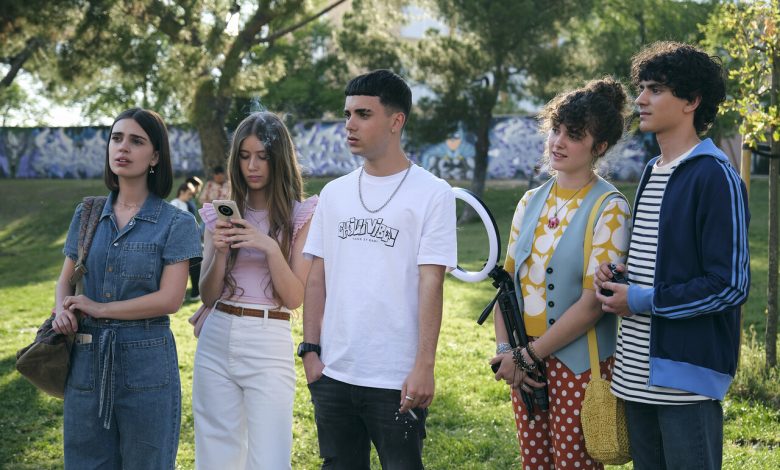
To help the students cope, a support group is formed. This narrative device serves as the perfect catalyst to bring together a disparate group of eight students who would never interact otherwise. It is a classic “Breakfast Club” setup, but modernized. We have Asia (Rocío Velayos), the “perfect” girl with a crumbling façade; Carlota (María Bernardeau), whose privileged life hides deep insecurities; and Jon (Miguel Fernández), the outsider.
The Search for Essence
As the synopsis suggests, these students are “confronting their differences.” Forced to share their feelings in a safe space, the barriers between the social cliques begin to dissolve. The series explores how shared trauma can forge unlikely bonds. However, this being FoQ, the therapy sessions are just the tip of the iceberg. Outside the classroom, hormones run wild. The show dives deep into the fluid nature of modern teenage sexuality, the pressure of social media, and the desperate desire to feel something—whether it be love, lust, or just the will to live.
Creator’s Vision: Carlos García Miranda’s Modern Zurbarán
Creator Carlos García Miranda, who served as a screenwriter on the original series, understands the DNA of the franchise better than anyone. However, he has wisely chosen not to simply copy-paste the old formula.
Themes of the Times: If the original series was about the external chaos of youth (drugs, parties, rebellion), La Nueva Generación is about the internal chaos. The focus on mental health is sharp and necessary. The show tackles issues like anxiety, non-binary identity, and the specific loneliness of growing up hyper-connected yet isolated.
Aesthetic Evolution: Visually, the show has graduated. The 4K cinematography captures the Madrid light with a crispness that makes the school uniforms pop. The direction by Juanma Pachón and Daniel Romero feels intimate, often using close-ups to let the young actors’ micro-expressions tell the story. The soundtrack, a hallmark of the original series (who can forget the Despistaos theme song?), has been updated with a mix of urban beats and indie pop that reflects the current charts.
The Cast: The Faces of Generation Z
A teen drama lives or dies by its ensemble, and FoQ: La Nueva Generación has assembled a charismatic group of newcomers who are poised for stardom.
- Rocío Velayos as Asia: Velayos anchors the show as the moral center of the group, though her character has plenty of secrets. She brings a naturalism to the role that grounds the more melodramatic moments.
- María Bernardeau as Carlota: Daughter of the famous Spanish actress Ana Duato, Bernardeau proves she has inherited the talent. Carlota is complex—sharp-tongued, defensive, yet incredibly vulnerable. Her arc regarding self-image and pressure is one of the season’s highlights.
- Biel Antón as Pelayo: Antón plays the mysterious element of the group. His brooding intensity is reminiscent of the “bad boy” tropes of the past but deconstructed for a modern audience that demands more emotional intelligence from its male leads.
- Israel Elejalde as Ramón: The adult cast is led by Elejalde, a veteran of stage and screen (Magical Girl). As the director of the institute, he is not the enemy; he is a man trying to steer a sinking ship. His subplot involves navigating the politics of a school in crisis while trying to connect with a generation he struggles to understand.
- The Teachers: The staff room is populated by interesting characters, including Itziar Miranda as Brianda and Silma López (from Valeria) as Marta, bringing a fresh dynamic to the teacher-student relationships that were so controversial in the original series.
Critical Review: Nostalgia with a Purpose
Reboots are tricky. Lean too hard on the past, and you look dated; change too much, and you alienate the fans. FoQ: La Nueva Generación walks this tightrope with surprising grace.
More Than Just Melodrama
While the show retains the soapy elements that make the genre addictive—love triangles, shocking secrets, betrayal—it treats its characters with a newfound respect. The “loss of a student” is not just a plot device to kickstart the action; the grief is palpable. We see characters actually mourning, acting out in anger, or withdrawing into silence. This emotional weight gives the series a maturity that sets it apart from lighter fare.
Fluidity and Identity
The representation in the series feels organic. The exploration of gender identity and sexual orientation isn’t treated as a “Very Special Episode” but as a fact of life for these characters. Kiko Bena’s character, Koldo, and others navigate a world where labels are less important than connections.
FoQ: La Nueva Generación is a successful reinvention. It captures the essence of the Zurbarán—that intense, burning feeling that everything happening in high school is a matter of life and death—while updating the conversation for 2025.
It is slick, emotional, and incredibly binge-able. Whether you were a fan of the original series or are completely new to the franchise, this show offers a compelling look at what it means to be young today. The kids are not alright, but at the Zurbarán, they might just find a way to be.