Last Ride: Terror is Suspended in Thin Air
- Category: Thriller, Survival, Mystery, Drama
- Release Date: February 20, 2026 (VOD / Digital)
- Cast: Roman Griffin Davis, Felix Jamieson, Charlie Price, Gustaf Skarsgård, Kristofer Hivju, Cinqué Lee
- Language: English
- Duration: Feature Length (Approx. 95 mins)
- Director: Cinqué Lee
- Distributor: Quiver Distribution
- Setting: Norway, Winter 1982
Survival thrillers are a staple of modern cinema because they tap into our most primal fears: isolation, the elements, and the helplessness of being trapped. On February 20, 2026, Quiver Distribution releases Last Ride, a film that takes these fears and suspends them thousands of feet in the air. Set against the unforgiving backdrop of a Nordic winter, this film combines the claustrophobic tension of Frozen (2010) with the “kids on an adventure” energy of Stand By Me, only to twist it into a frozen nightmare.
Directed by the multifaceted Cinqué Lee (brother of Spike Lee and a talented filmmaker in his own right) and featuring a stellar cast led by Jojo Rabbit breakout star Roman Griffin Davis alongside Scandinavian heavyweights Gustaf Skarsgård and Kristofer Hivju, Last Ride is a VOD release that demands attention. It is a story about the loss of innocence, set in a time before cell phones could save you, where the only thing colder than the Norwegian wind is the dead body sitting next to you. For the audience on fmovies.tr who crave atmospheric tension and high-stakes survival dramas, this is the essential watch of late February.
The Plot: A celestial Event Turned Nightmare
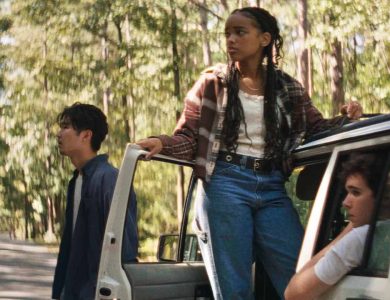
The year is 1982. The setting is the majestic, snow-capped mountains of Norway. The protagonists are three American boys—played by Roman Griffin Davis, Felix Jamieson, and Charlie Price—who are seemingly out of their element. Whether they are military brats or exchange students, they share a bond of brotherhood and a thirst for adventure.
The premise kicks off with a rare “celestial event”—perhaps an aurora borealis of unusual intensity or a planetary alignment—that draws the boys to the peaks. To get the best view, they sneak onto a cable car system that is closing down for the season. It is the classic mistake of youth: believing they are invincible. As the car ascends into the biting cold darkness, the machinery grinds to a halt. The lights go out. They are suspended high above the jagged rocks, miles from help.
The Fourth Passenger
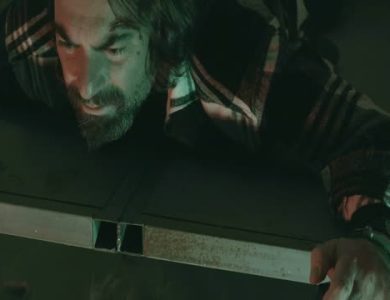
Being stuck in a freezing cable car is terrifying enough, but Last Ride introduces a macabre twist that elevates the stakes significantly. As the boys settle into their metal prison, they realize they are not alone. In the shadows of the car, bundled in the corner, is a dead body.
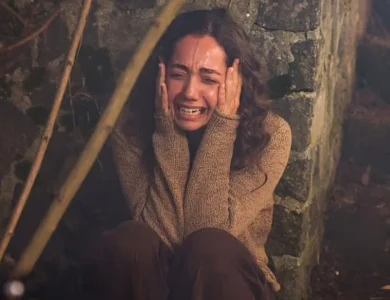
This discovery shifts the genre from a simple man-vs-nature survival story into a psychological crime thriller. Who is this man? How did he die? Is his killer watching them from the station below, or worse, is the killer stuck in the car with them? As the temperature plummets and the celestial event paints the sky in surreal colors, the boys must confront the physical threat of hypothermia and the psychological terror of death staring them in the face. Isolation, uncertainty, and the mounting pressure of survival force them to grow up in a single night—if they survive the night at all.
Director’s Vision: Cinqué Lee’s Atmospheric Shift
Cinqué Lee is an interesting choice for a high-concept survival thriller. Known for his work in more independent, character-driven dramas and his collaborations within the Lee family dynasty, his move to a genre film brings a unique sensibility.
Period Authenticity: By setting the film in 1982, Lee removes the safety net of modern technology. There are no smartphones to call for a rescue helicopter. There is no GPS. This era-specific isolation is crucial to the tension. The cinematography likely leans into the grain and texture of 80s cinema, using the stark contrast of the white snow and the pitch-black night to create a visual sense of hopelessness.
The “Chamber Piece” Approach: Much of the film takes place within the confines of the cable car. This requires deft direction to keep the visuals interesting. Lee focuses on the micro-expressions of the actors, the condensation of their breath, and the creaking of the metal cables. The “Celestial Event” provides a natural, diegetic lighting source, bathing the horror in beautiful, eerie colors that contrast with the grim reality inside the car.
The Cast: A Blend of Youth and Viking Grit
The casting is one of the film’s strongest assets, blending rising young stars with established European character actors.
- Roman Griffin Davis: Since his Golden Globe-nominated performance in Jojo Rabbit, audiences have waited to see Davis transition into more mature roles. Here, he anchors the film. He brings a vulnerability and intelligence that makes the audience root for him. His ability to convey fear without becoming annoying is a testament to his talent.
- Felix Jamieson & Charlie Price: The chemistry between the three boys is vital. They need to feel like real friends with a shared history. Jamieson (The King) and newcomer Price round out the trio, creating a dynamic of leadership, fear, and comic relief that slowly erodes as the situation becomes dire.
- Gustaf Skarsgård & Kristofer Hivju: Casting these two Nordic legends (known globally for Vikings and Game of Thrones respectively) adds immense gravity to the film. While their screen time might be limited compared to the boys, their presence looms large. Are they the operators who stopped the car? Are they involved with the dead body? Hivju’s imposing physicality and Skarsgård’s eccentric intensity suggest that the threat outside the car is just as dangerous as the cold.
Critical Review: Frozen Meets Stand By Me
Last Ride effectively utilizes the “contained thriller” format. Like Phone Booth or Buried, it restricts the location to maximize the drama.
The Psychological Toll
What sets this film apart is the inclusion of the corpse. It forces the characters to confront mortality directly. The body becomes a character in itself—a silent observer of their breakdown. The boys start to project their fears onto it. The writing explores how children process death when it is literally sitting next to them. It is a grim coming-of-age metaphor: the death of childhood innocence in the face of a cold, indifferent world.
The Pacing
For a movie set in a box, the pacing is surprisingly brisk. The “Celestial Event” provides a ticking clock element, perhaps related to visibility or temperature drops. The interplay between the survival elements (trying to keep warm, trying to escape) and the mystery elements (searching the body, realizing why he died) keeps the narrative moving forward.
The 80s Nostalgia
Unlike Stranger Things, which uses the 80s for fun pop-culture references, Last Ride uses the era for its ruggedness. The clothing, the lack of communication, and the Cold War-era paranoia (hinted at by the American presence in Norway) add layers of texture to the story without feeling like a gimmick.
Last Ride is a tense, claustrophobic, and surprisingly emotional thriller. It is a film that understands that true horror isn’t a monster; it’s the realization that no one is coming to save you.
With strong performances from its young cast and atmospheric direction from Cinqué Lee, it punches above its weight class for a VOD release. It is a chilling reminder of the fragility of life. If you enjoy survival movies that focus on character psychology as much as physical endurance, this is a ride worth taking—just make sure you bring a blanket.