Love Me Love Me: A Dark Romance Wrapped in Italian Silk and MMA Gloves
- Category: Romance, Drama, Young Adult, Thriller
- Release Date: February 2026 (Prime Video Exclusive)
- Cast: Mia Jenkins, Pepe Barroso Silva, Andrea Guo, Michelangelo Vizzini, Madior Fall
- Language: English (with Italian dialogue) / Turkish Subtitles Available
- Duration: Approx. 1h 45m
- Director: Roger Kumble
- Screenwriters: Veronica Galli, Serena Tateo
- Based on: The “Love Me, Love Me” novel series by Stefania S.
- Distributor: Amazon MGM Studios
If there is one director who understands the chaotic, addictive pulse of modern Young Adult romance, it is Roger Kumble. From defining a generation with Cruel Intentions to revitalizing the genre with After We Collided and Beautiful Disaster, Kumble knows exactly how to mix melodrama, sex appeal, and dark secrets into a cocktail that audiences can’t resist. In February 2026, he returns to Prime Video with his latest adaptation: Love Me Love Me.
Based on the viral Wattpad-sensation-turned-bestselling-novel by Italian author Stefania S., this film transports the “bad boy vs. good boy” trope to the fashion-forward streets of Italy. Starring rising talent Mia Jenkins and the brooding Pepe Barroso Silva, Love Me Love Me is not just a romance; it is a psychological thriller disguised as a teen drama. For the audience on fmovies.tr who crave the high-stakes emotion of Euphoria mixed with the glossy aesthetic of Elite, this is your new obsession.
The Plot: New Girl, Old Secrets, and Underground Fights
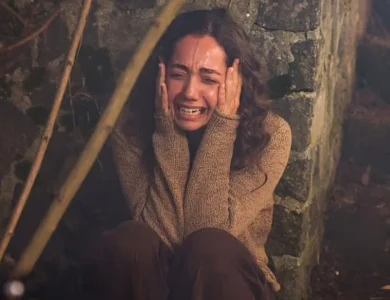
The narrative follows a classic YA structure but injects it with a darker, European edge. We meet June (Mia Jenkins), a young woman whose life has been fractured by tragedy. Following the sudden death of her brother, she is uprooted from her life and moves to Italy for a fresh start. This isn’t a Under the Tuscan Sun style vacation; June is thrust into an elite, high-pressure school where wealth and status dictate the social hierarchy.
June is determined to keep her head down and survive, but fate has other plans. She immediately catches the eye of two very different young men, setting up the film’s central conflict.
The Dangerous Triangle
First, there is James (Pepe Barroso Silva). He is the archetype of the “dangerous bully”—wealthy, arrogant, and shrouded in mystery. He is involved in clandestine MMA fights, using physical violence to channel a deeper, unspoken pain. James represents everything June should avoid: danger, volatility, and the kind of passion that burns bridges.
Then, there is Will. He is James’s best friend and the polar opposite: the perfect honor student, kind, attentive, and safe. June naturally gravitates toward Will, seeking stability after the chaos of losing her brother. However, as is tradition in a Roger Kumble film, appearances are deceiving.
As June delves deeper into this new world, she realizes that the lines between “good” and “bad” are blurred. The school is a viper’s nest where everyone is hiding a secret. Is Will really the saint he pretends to be? Is James truly a villain, or is he a victim of his circumstances? The plot twists turn this romantic drama into a suspenseful mystery, forcing June to decide not just who she loves, but who she can survive.
Director’s Vision: Roger Kumble’s Signature Style
Roger Kumble has carved out a niche as the master of the “toxic romance.” He doesn’t shy away from the messy, often problematic aspects of teenage love; instead, he leans into them.
Visual Aesthetic: Filmed on location in Italy, likely utilizing the stark, fashionable architecture of Milan or the moody streets of Rome, the film looks expensive. Kumble uses high-contrast lighting to emphasize the duality of the characters—bright, sterile lights for the school scenes and dark, neon-soaked shadows for the underground MMA fights. The visuals mirror June’s internal state: caught between the light of a new beginning and the darkness of her grief.
Pacing and Tone: Kumble knows his audience has a short attention span. The film moves at a breakneck pace. There are no long, contemplative silences here. The dialogue is snappy, the music is loud (expect a soundtrack full of trendy pop and dark electronic beats), and the emotional stakes are always at a 10. He treats teenage problems with the gravity of a Shakespearean tragedy, which is exactly why this genre works so well.
The Cast: Fresh Faces and Intense Chemistry
A romance movie lives or dies by the chemistry of its leads, and Love Me Love Me has cast a group of actors ready to explode onto the global scene.
- Mia Jenkins as June: Jenkins (known for Piper) has the difficult task of grounding the movie. June could easily be a passive victim, but Jenkins imbues her with a quiet resilience. We see the grief behind her eyes, making her attraction to the damaged James feel psychological rather than just superficial. She anchors the melodrama in genuine emotion.
- Pepe Barroso Silva as James: Silva is the breakout star here. He possesses the physicality required for the MMA scenes but also the brooding intensity needed for the romantic lead. He channels the energy of a young Marlon Brando mixed with the modern “bad boy” aesthetic of Hero Fiennes Tiffin. His chemistry with Jenkins is electric—uncomfortable, intense, and undeniable.
- The Ensemble: Actors like Andrea Guo and Michelangelo Vizzini fill out the world of the elite school. They aren’t just background decoration; in a story where “everyone has a secret,” the supporting cast provides the twists and turns that keep the audience guessing.
Critical Review: A Guilty Pleasure with Teeth
Love Me Love Me is not trying to win Oscars. It is trying to win the hearts of the TikTok generation, and in that regard, it is a triumph.
The Appeal of Dark Romance
The film taps into the “Dark Romance” trend that has taken over BookTok. It explores themes of obsession, possession, and healing through trauma. While critics might argue that the relationship dynamics are unhealthy, the film frames them as a necessary catharsis for the characters. It argues that sometimes, you need to break apart completely before you can put yourself back together.
Adaptation Choices
Adapting a tetralogy (four books) into a movie is difficult. Screenwriters Veronica Galli and Serena Tateo have made smart choices to condense the narrative without losing the slow-burn tension. By focusing on the initial triangle and the mystery of the school, they create a self-contained story that still leaves room for potential sequels (which, given the source material, are likely planned).
The Setting as a Character
Setting the story in Italy adds a layer of sophistication that American-set teen dramas often lack. The isolation of June—being a foreigner in a strange land—heightens her vulnerability. The cultural clash, combined with the universal language of teenage angst, creates a unique atmosphere.
Love Me Love Me is a slick, sexy, and surprisingly suspenseful ride. It delivers exactly what it promises: beautiful people with ugly secrets falling in love in dangerous ways.
Roger Kumble proves once again that he is the undisputed king of this genre. If you enjoyed After or My Fault (Culpa Mía), this is mandatory viewing. It is a film that asks you to suspend your disbelief and let your heart race. Grab the popcorn, prepare for the plot twists, and get ready to fall in love with the drama.