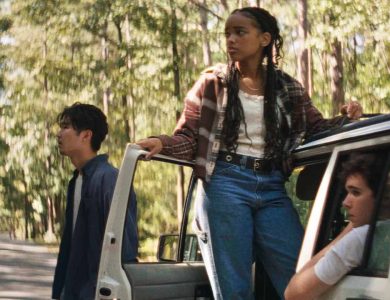
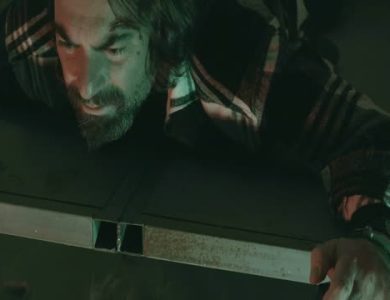
The Undertaker 2: Afterlife – When Death is Just the Beginning of the Story
- Category: Horror, Comedy, Drama, Supernatural
- Release Date: 2026 (Thailand & International)
- Cast: Chatchai Chinnasri, Natthawut Saenyabut, Eisaya Hosuwan, Naruepol Yaiim, Thanadon Buarabat
- Language: Thai (Isan Dialect) / English Subtitles Available
- Duration: 127 minutes
- Director: Thiti Srinuan
- Original Title: สัปเหร่อ 2 โลกหลังความตาย (Sapparer 2)
- Universe: Thibaan The Series
In 2023, a low-budget film from the rural Northeast of Thailand shocked the world. The Undertaker (or Sapparer) didn’t just break box office records; it became a cultural phenomenon, resonating with audiences through its raw portrayal of Isan culture, its slapstick comedy, and its profoundly tear-jerking examination of death. Now, in 2026, the Thibaan universe expands into the supernatural unknown with The Undertaker 2: Afterlife.
Directed once again by the visionary Thiti Srinuan, this sequel carries the heavy burden of expectation. It promises to take the beloved characters—Joed, Jalod, and the rest of the gang—into darker, more spiritual territory. Where the first film dealt with the rituals of saying goodbye, The Undertaker 2 asks a more terrifying question: What happens if the dead refuse to leave? For the audience on fmovies.tr who love Asian horror that balances fear with heartfelt emotion, this is the most significant release of the year. It is a film that proves you can laugh at a funeral, as long as you respect the ghosts.
The Plot: Lightning Strikes Twice
The narrative picks up some time after the emotional devastation of the first film. The village has slowly returned to a semblance of normalcy following the tragic deaths of Baikaow and Sak. The scars of grief have begun to fade, but they haven’t disappeared. The villagers go about their daily lives, finding comfort in their routines and their superstitions.
However, the peace is shattered by a freak event. During a violent storm, Grandma Joy (played by the veteran Boonta Kutyapila), a beloved elder of the community, is struck by lightning. In any other story, this would be a tragedy. In the Thibaan universe, it is a catalyst. Grandma Joy miraculously revives, but she didn’t come back alone. Her return tears open a veil between the living and the dead.
The Doorway to the Afterlife
“When the living haven’t found closure, the dead cannot move on.” This tagline defines the central conflict. Grandma Joy’s resurrection triggers a series of supernatural disturbances. The villagers begin to see things they shouldn’t—shadows in the rice fields, whispers in the wind, and the lingering spirits of those who passed with unfinished business.
The local undertaker team, led by the reluctant Joed (Chatchai Chinnasri), finds themselves overwhelmed. They are no longer just managing funerals; they are managing a spiritual crisis. The film introduces a new dynamic where the characters must navigate the “Afterlife” (or a spiritual realm overlapping with their village) to understand why Grandma Joy returned and how to send the wandering spirits home. It becomes a journey not just of horror, but of resolving the past traumas that haunt the community.
Director’s Vision: Thiti Srinuan’s Unique Blend
Thiti Srinuan has mastered a genre that is uniquely Thai: “Horror-Comedy-Drama.” Western audiences might find the tonal shifts jarring, but Srinuan weaves them together like a master storyteller.
Authenticity Over Spectacle: While the sequel has a bigger budget, Srinuan keeps the aesthetic grounded. The film is shot on location in the Northeast, capturing the dry heat, the dusty roads, and the vibrant green rice paddies. He refuses to polish the setting for international audiences. The dialogue is almost exclusively in the Isan dialect, preserving the rough, humorous, and warm nature of the region.
Visualizing the Spirits: In the first film, the horror was psychological and atmospheric. In Afterlife, Srinuan pushes the visual effects further. The depiction of the spirit world is expected to be surreal yet rooted in Buddhist folklore—less “Hollywood CGI monster” and more “uncanny valley.” He uses lighting—specifically the stark contrast between the harsh sunlight of the day and the pitch-black darkness of the rural night—to build dread.
The Cast: The Thibaan Family Returns
The strength of the Thibaan franchise has always been its ensemble cast. These aren’t just actors; to the fans, they feel like neighbors.
- Chatchai Chinnasri as Joed: Joed is the heart of the series. Chinnasri plays him with a mixture of cowardice and bravery that is deeply relatable. In this sequel, Joed must step up from being a novice undertaker to a spiritual mediator. His growth is the emotional anchor of the film.
- Natthawut Saenyabut as Jalod: The comedic MVP. Jalod provides the slapstick relief that cuts through the tension. Whether he is running from a ghost or making a bad joke at the wrong time, Saenyabut’s timing is impeccable. However, even the clown has his sad moments, and the film gives him space to explore grief as well.
- Eisaya Hosuwan: A major addition to the cast. Known for her roles in Bad Genius and the horror hit Krasue: Inhuman Kiss, Hosuwan brings star power and dramatic weight. Her character likely serves as the catalyst or the bridge between the skeptics and the believers, perhaps a city doctor or a relative returning home who forces the villagers to confront reality.
- Grandma Joy (Boonta Kutyapila): The catalyst. Her performance is required to be unsettling—shifting between the kind grandmother the village knew and the vessel for something else.
Critical Review: A Worthy Successor
The Undertaker 2: Afterlife manages the impossible: it expands the lore without losing the intimacy of the original.
The Horror of Attachment
The film explores Buddhist themes of attachment (Upadana). The ghosts aren’t haunting the village out of malice; they are haunting it because the living won’t let them go. The film argues that grief is a two-way street. By holding onto our pain, we trap our loved ones. This philosophical depth elevates the movie above standard jump-scare horror. It makes the audience cry as much as they scream.
Comedy as a Defense Mechanism
The humor in The Undertaker 2 is vital. In Thai culture, humor is often used to cope with fear and tragedy. The scenes where the gang tries to perform exorcisms with ineptitude are hilarious, but they serve a purpose: they humanize the characters. We laugh with them because we are scared for them. The banter, specifically in the Isan dialect, feels improvised and organic.
Production Value
With the massive success of the first film, the production value has noticeably increased. The makeup effects for the spirits are more visceral. The sound design is particularly effective—the use of traditional Thai instruments to create an eerie atmosphere is chilling. However, the film retains its indie soul, never feeling over-produced.
The Undertaker 2: Afterlife is a triumphant return to the world of Thibaan. It is a film that respects its audience’s intelligence and emotions.
Thiti Srinuan has crafted a sequel that feels necessary. It doesn’t just rehash the first movie; it advances the conversation about death. Chatchai Chinnasri and the ensemble cast deliver performances that are full of heart. Whether you are a fan of Thai horror, a follower of the Thibaan series, or just someone who appreciates cinema that explores the human condition, this is a must-watch. It reminds us that while death is the end of life, it is not the end of love.